










Blog Posts
Blog Posts - thefabricator.com has a team of bloggers that cover the challenges and rewards associated with a life in metal fabricating. Topics typically addressed by contributing authors include political and demographic trends affecting the fabricating industry, the business side of running a job shop, the culture of the welding community, and detailed looks at what happens on the shop floor.
-

- From The Fabricator
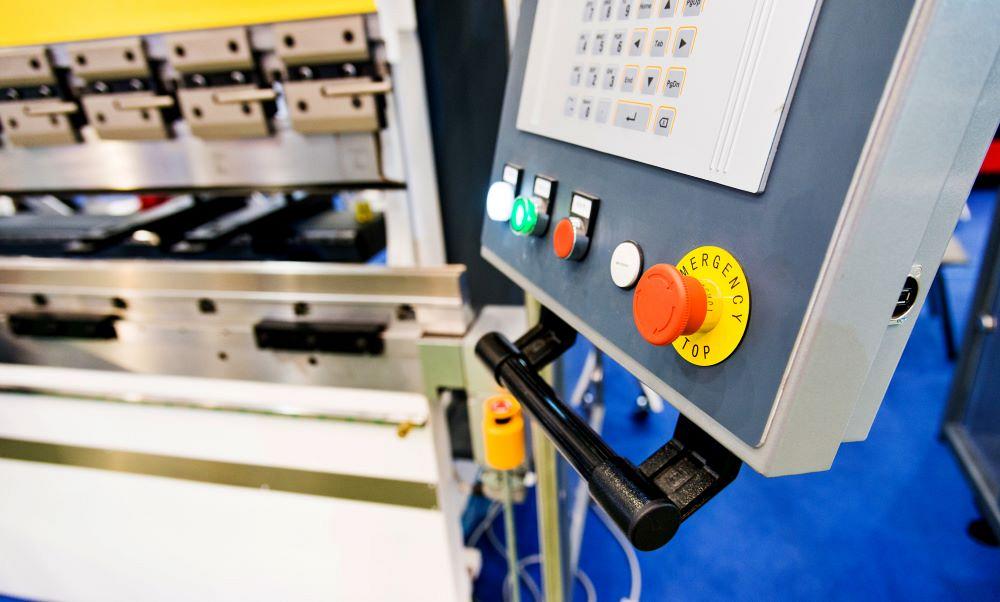
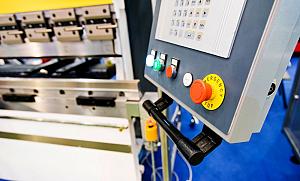
How to set a press brake backgauge manually
Steve Benson details traditional methods for setting a manual backgauge on a press brake, then discusses how to improve material springback estimates.
-
- From The Fabricator
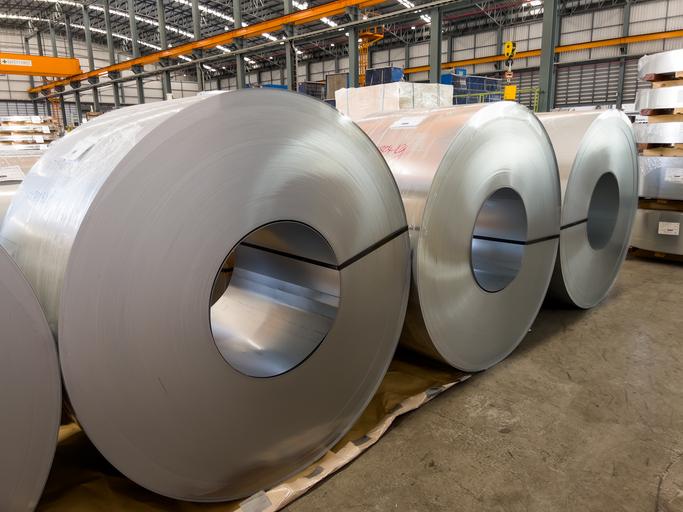
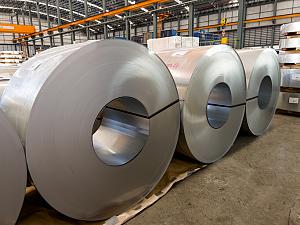
Steel industry reacts to Nucor’s new weekly published HRC price
In early April, Nucor took the unprecedented step of publishing its pricing for hot-rolled coil. Will it stabilize domestic steel pricing?
-

- From The Welder
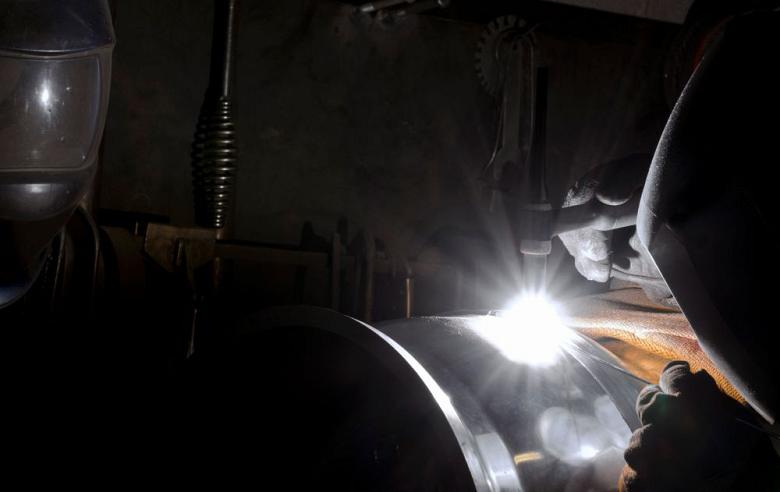
The impact of sine and square waves in aluminum AC welding, Part I
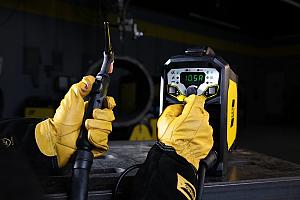
When welding aluminum, welders use alternating current (AC) and primarily one of two waveforms, sine and square wave. Gina Cutts shares more about the former in her latest Aluminum Etc.
-
- From The Fabricator

Employee ownership: The best way to ensure engagement
With employee stock ownership plans capable of keeping employees engaged, why don’t more companies pursue this organizational structure?
-
- From The Fabricator
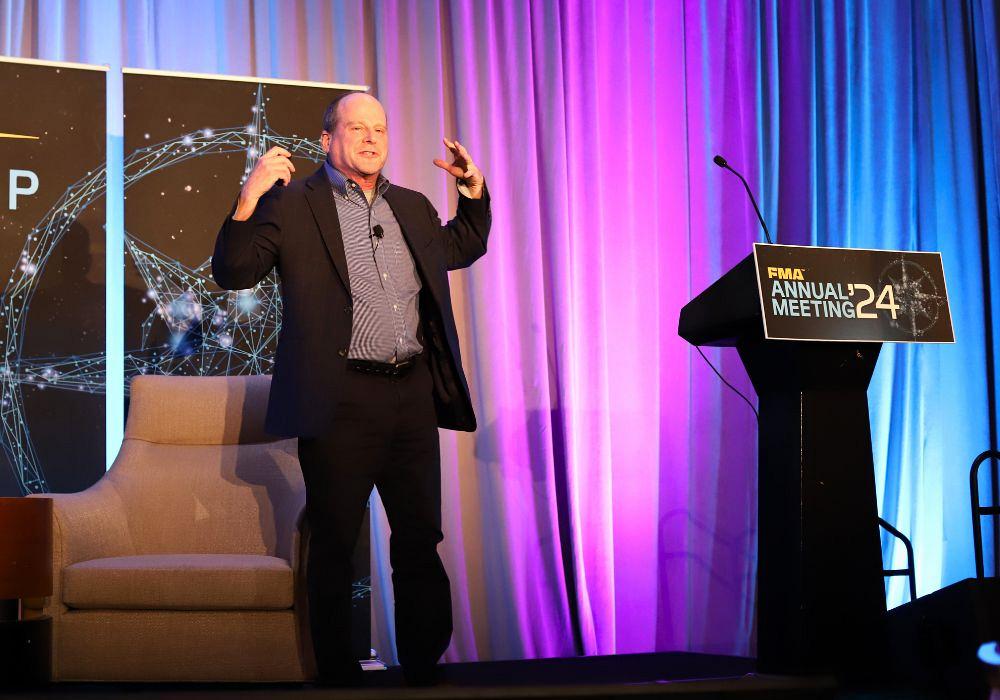
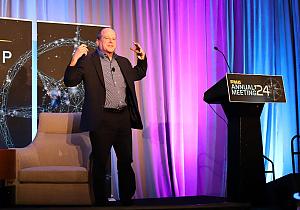
AI, machine learning, and the future of metal fabrication
Fabricators and Manufacturers Association Annual Meeting attendees took a deep dive into operational excellence, skill, and what will define future success: good systems, good data, and, most important, good employees.
-
- From The Welder
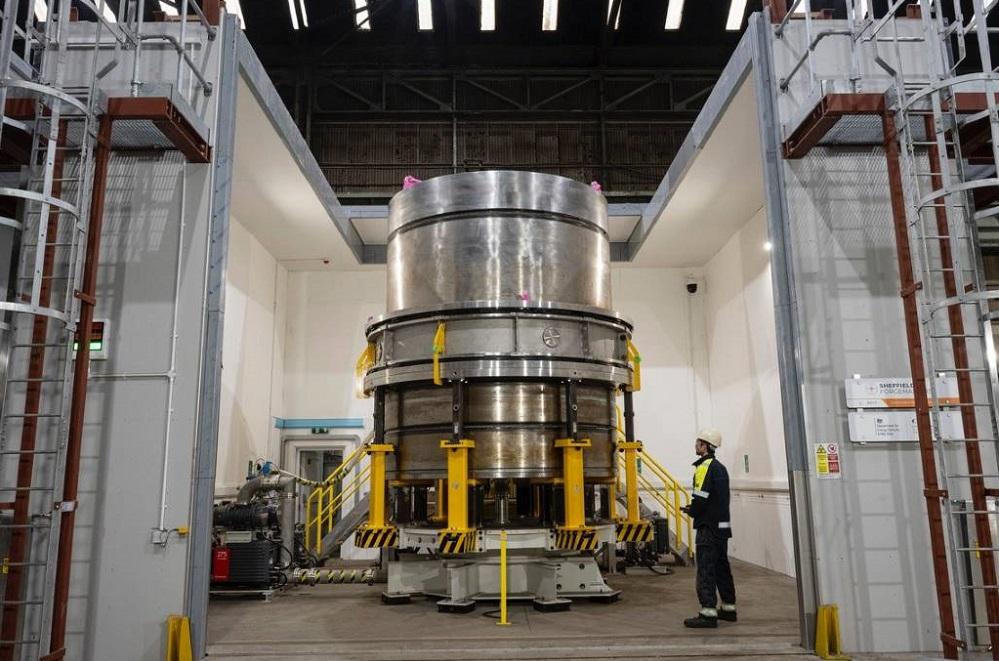
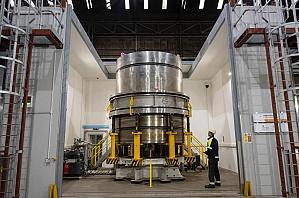
Sheffield Forgemasters makes global leap in welding technology
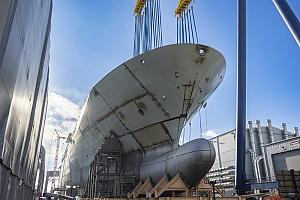
A breakthrough in electron beam welding technology has Josh Welton pondering this process’s potential in large nuclear and non-nuclear fabrication projects.
-
- From The Fabricator

Moving shop in metal fabrication
Columnist Caleb Chamberlain backward casts his eye, to quote Robert Burns, and delves into the challenges of moving shop, laying bare the best-laid plans of mice and men.
-
- From The Fabricator

Fabricators might get a win related to federal infrastructure projects
A new federal rule might allow metal fabricators to seek out less expensive metal from overseas sources for infrastructure projects.
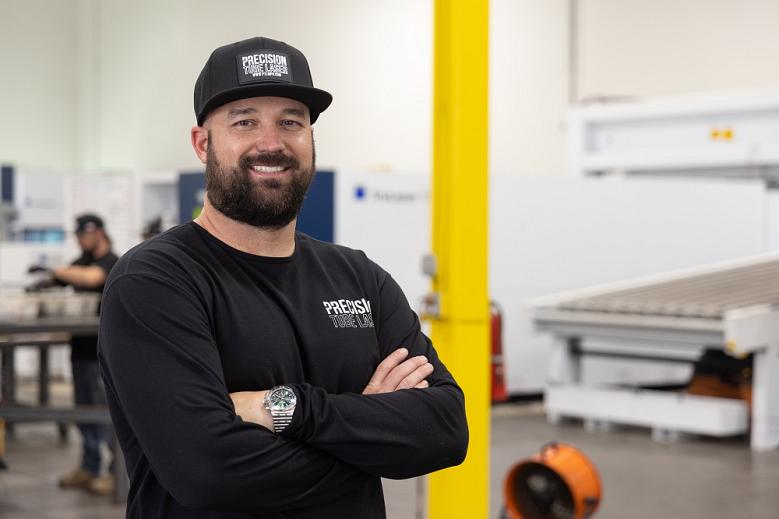
New trails, old-school values for Precision Tube Laser
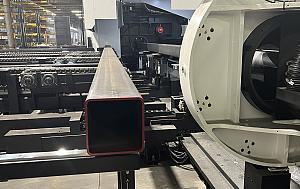
Jordan Yost, owner of Precision Tube Laser, learned from his business mentors that your handshake matters and your word is your bond. He never forgot it.
-
- From The Fabricator

Finding the passion for Ford Broncos in the desert
As a maker of aftermarket parts for the Ford Bronco, Nick Martin attends a lot of events. His visit to United By Bronco in Utah proved to be very memorable.
Most tube-intensive industries drop in latest data
Some positive indicators persist, but most manufacturing and tube markets remain stuck in negative territory, hampered by lower oil and gas activity. Consumer sentiment in the U.S. remains resilient.
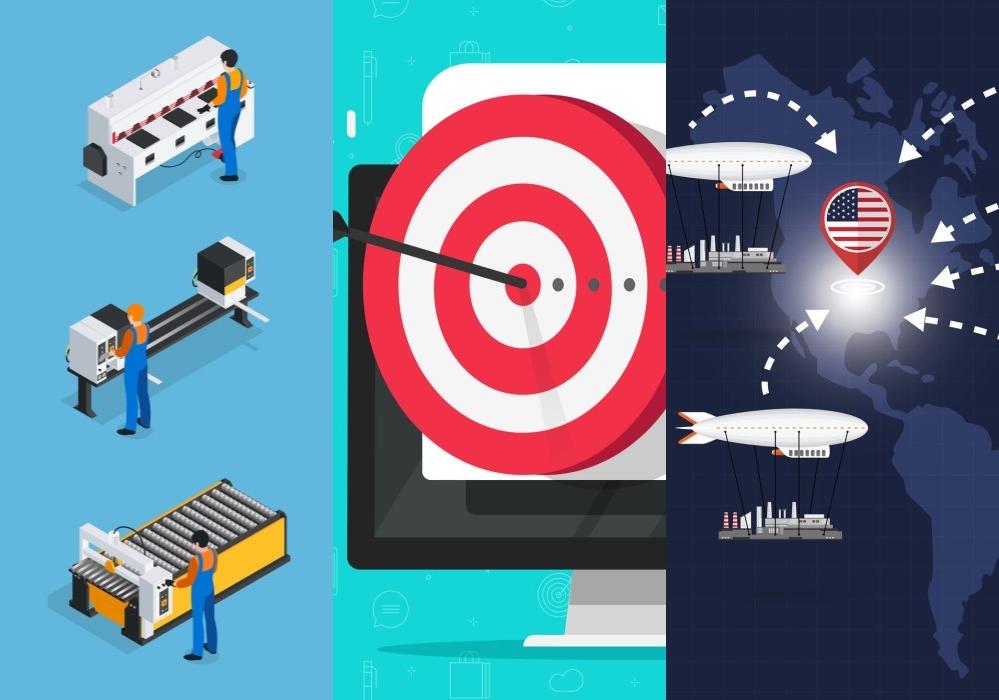
Three big issues fabricators must prioritize in 2024
In 2024, fabricators and small manufacturers must tackle Gen Z employment, digital marketing, and reshoring.
-
- From The Fabricator
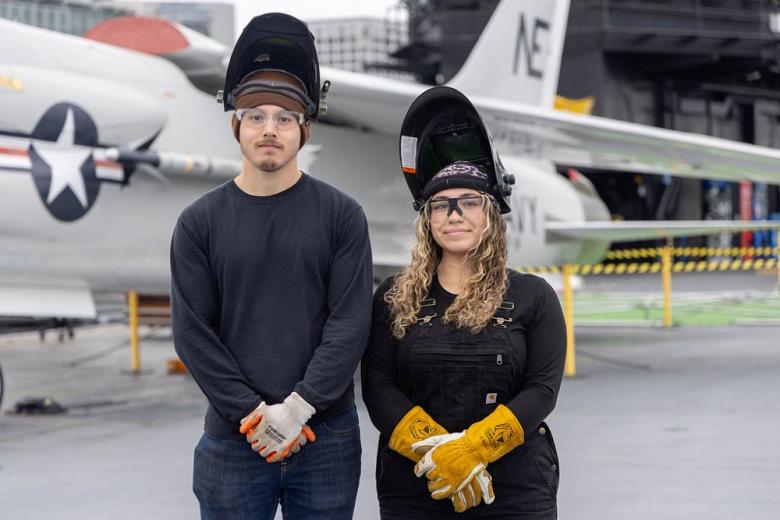
USS Midway’s tuition-free welding program a win-win
Josh Welton writes how the tuition-free welding program offered by San Diego College of Continuing Education (SDCCE) and the USS Midway Museum is important to the next generation of skilled workers.
-
- From The Fabricator
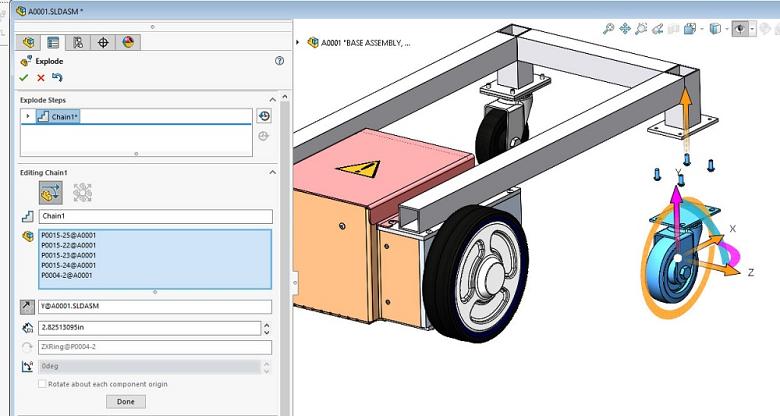
Creating Exploded Views quickly
CAD guru Gerald Davis discusses how Exploded Views are created and improved.
-
- From The Welder
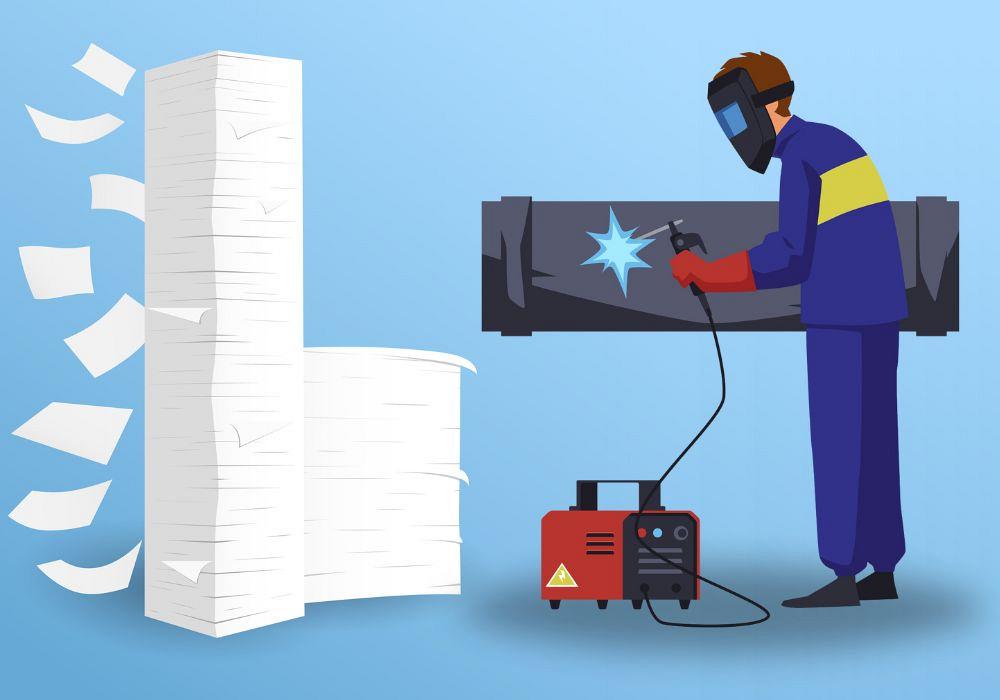
The importance of welding procedure specification (WPS)
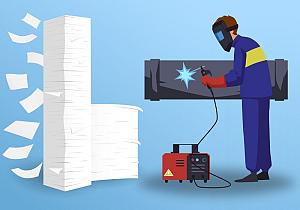
Greg Siepert’s recent discussion on welding acronyms has led him to dive deeper into one of the more important ones used by welders: welding procedure specification (WPS). This documentation (or "recipe of a weld") make up the paper trail of a completed weld.
subscribe now
The Fabricator is North America's leading magazine for the metal forming and fabricating industry. The magazine delivers the news, technical articles, and case histories that enable fabricators to do their jobs more efficiently. The Fabricator has served the industry since 1970.
start your free subscription- Podcasting

In this episode of The Fabricator Podcast, Caleb Chamberlain, co-founder and CEO of OSH Cut, discusses his company’s...
- Trending Articles
1
AI, machine learning, and the future of metal fabrication

2
Employee ownership: The best way to ensure engagement

3
Dynamic Metal blossoms with each passing year

4
Steel industry reacts to Nucor’s new weekly published HRC price
5
Metal fabrication management: A guide for new supervisors