








Preventing welding-related fires
You cant be too careful
 |
In 2002 in Irving, Texas, 1.4 percent of the city's residential fires and 10 percent of its commercial fires were welding-related. These and welding-related fires elsewhere probably could have been prevented if welders had been more diligent in adhering to safe welding practices.
Before welding, both professional welders and those who weld for a hobby must be thoroughly knowledgeable about potential fire hazards and safe practices. They also must examine carefully the work area and adjacent areas, the welding equipment, and consumables for hazards and take appropriate measures to ensure safety. Taking a quick glance around and eliminating obvious hazards in the immediate welding area are not enough.
Ignition Sources
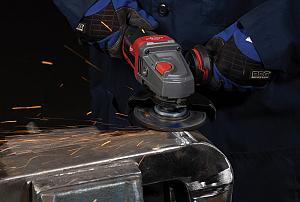
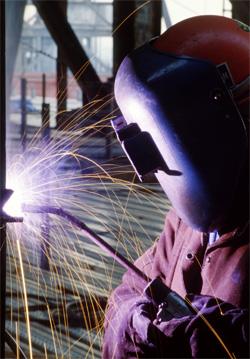
Welding fires are caused by sparks, hot slag (droplets of melted metal), and torch flames. They also can result from combustible materials touching a hot workpiece or heat igniting flammable vapors.
According to the American Welding Society (AWS) Fact Sheet, Fire and Explosion Prevention, sparks can travel up to 35 ft. (10 m) horizontally and even farther when falling. They can pass through or become lodged in cracks, clothing, pipe holes, and other small openings. Even at 35 ft., sparks can be hotter than 2,500 degrees F.
Torch flames can ignite substances within several feet of the flame.
Material in contact with the hot workpiece, even away from the flame source and actual weld, can ignite.
Significant Dangers
According to The Warren Group, a South Carolina-based property and casualty loss analysis firm, four main welding dangers exist:
- Holes, openings, and cracks in which a slag can hide and smolder, sometimes going unnoticed for hours before breaking out.
- Flammable materials, such as sawdust, rags, and even dust in the air, that will burn if enough heat and oxygen are available. Fires can ignite suddenly and violently, or smolder undetected for hours before flaring up.
- Flammable vapors and gases that can cause powerful explosions if they mix in the right proportion with air. Sources of flammable vapors are fuel tanks and volatile liquids left by other workers. Flammable gases can come from faulty gas lines or tanks, or even from leaks in the welding equipment itself.
- Welding on tanks or pipes that have contained flammable liquids or gases. Tanks or pipes should be emptied and thoroughly cleaned, then tested for flammable residue before welding begins. As an added precaution, tanks should be filled with water to within a few inches of the welding area.
Combustible Materials
AWS lists the following typical combustible materials and conditions:
- Building floors, partitions, and roofs.
- Building contents, such as wood, paper, clothing, plastics, chemicals, and flammable liquids and gases.
- Outdoor combustible materials, including dry leaves, grass, and brush.
- Flammable gases, vapors, liquids, and dusts.
To prevent fires, remove combustible materials from the work area, or move the work to a location well away from combustible materials. If relocating the work or materials is impossible, cover the combustible materials with fire-resistant material. Remove or cover combustible materials within a radius of 35 ft. (10 m) of the work area.
Floor to Ceiling Considerations
Combustible floors, walls, and ceilings require special attention. Place fire-resistant material beneath the work area, and cover other combustible surfaces with this material.
Wood floors should be swept clean and covered with metal or some other nonflammable material. Some safety experts recommend wetting wood floors down before welding. However, doing so introduces a shock hazard.
Cover or block all open doorways, windows, and cracks with noncombustible material. Make sure that the doorway curtain extends to the floor so that hot slag can't roll under it. Verify that wind can't carry sparks or slag around the curtain's edges.
AWS advises not to weld or cut any material having a combustible coating or combustible internal structure, as in walls and ceilings, without an approved method for eliminating the hazard.
If working on a metal wall, floor, or ceiling, move any combustibles on the other side of the wall to a safe location to prevent ignition.
AWS recommends that when working around combustibles, even when covered, someone equipped with a working fire extinguisher should be designated to serve as fire watcher of the welding operation and for at least one-half hour after welding is completed.
Flammable Liquids and Vapors
Do not work in areas where flammable liquids, gases, vapors, and dust are present. Never apply heat to containers that have held unknown substances or combustible materials. These contents, when heated, can produce flammable or explosive vapors.
As mentioned earlier, never weld or touch a tank or drum that has contained flammable liquids or gas without testing immediately before welding to verify that no vapors remain. Filling the tank with water to within inches of the welding area provides an extra measure of safety.
Do not apply heat to a workpiece covered by an unknown substance or whose coating can produce flammable, toxic, or reactive vapors when heated. Provide adequate ventilation in work areas, and vent closed containers, including castings, before preheating, welding, or cutting. Venting prevents pressure buildup and possible explosion from gas heating and expansion.
Equipment
Make sure to use appropriate, well-maintained equipment. Follow the manufacturer's usage and safety guidelines.
Completely uncoil hoses, and keep gas cylinders at a safe distance behind the welding area. Never place tank hoses in front where sparks, flames, heat, or slag can strike them.
Protect hoses from people and machinery. Secure cylinders and transport them with caps in place.
Make sure all electrical equipment and wiring are installed properly with recommended circuit protection. Do not overload electrical circuits.
Nowhere is the adage better safe than sorry more applicable than in welding. Not adhering to welding safety guidelines can cause disastrous property and life loss.
About the Author

About the Publication

subscribe now
The Welder, formerly known as Practical Welding Today, is a showcase of the real people who make the products we use and work with every day. This magazine has served the welding community in North America well for more than 20 years.
start your free subscription- Stay connected from anywhere
Easily access valuable industry resources now with full access to the digital edition of The Fabricator.
Easily access valuable industry resources now with full access to the digital edition of The Welder.
Easily access valuable industry resources now with full access to the digital edition of The Tube and Pipe Journal.
Easily access valuable industry resources now with full access to the digital edition of The Fabricator en Español.
- Podcasting

In this episode of The Fabricator Podcast, Caleb Chamberlain, co-founder and CEO of OSH Cut, discusses his company’s...