





AWS CWI, CWE, NDE Level III


AWS CWI, CWE, NDE Level III
Weld Inspection & Consulting

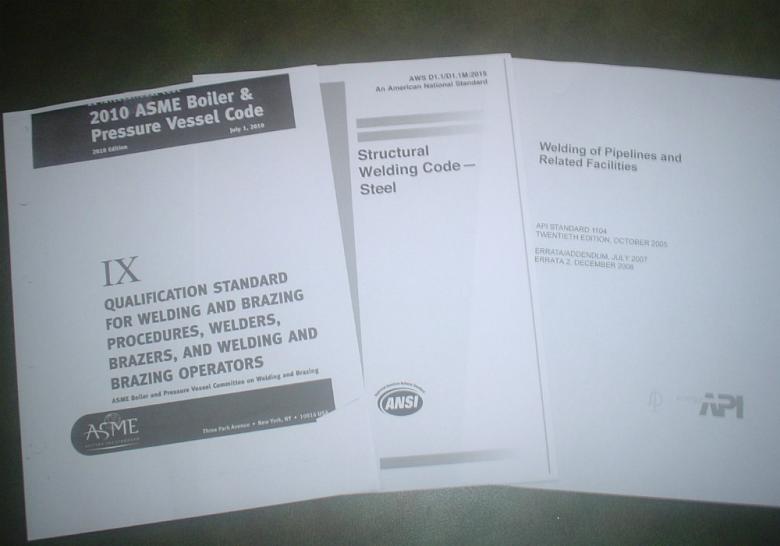
To pass the certified welding inspector exam, you must have a good understanding of codes and standards. These exist in several iterations, all of which have some similarities. This article discusses the elements of each and offers insight into how to prepare for the exam.
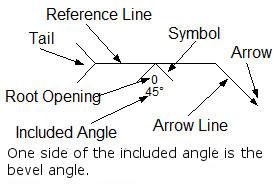
Joints and symbols are an important part of the test to become a certified welding inspector. This article covers the components of a symbol and discusses different joint types.
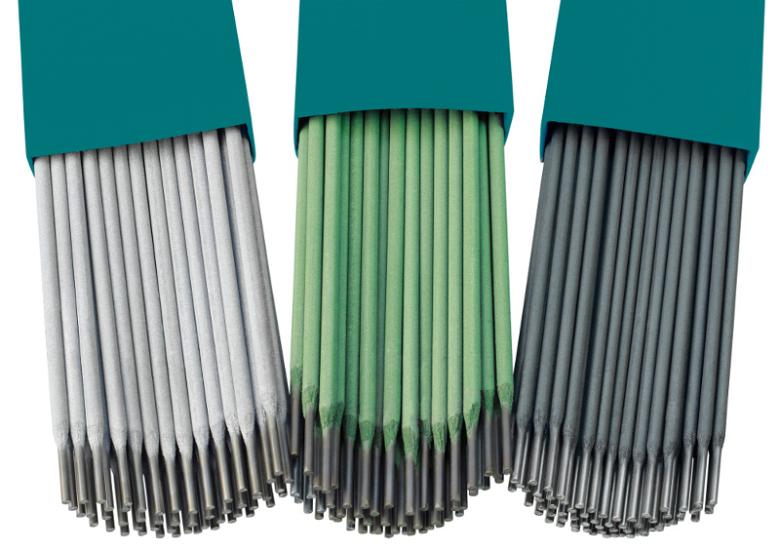
Continuing his series to help you prepare to become a certified welding inspector, Carlisle Smith focuses on welding wires and rods with some metallurgical information thrown in for good measure.
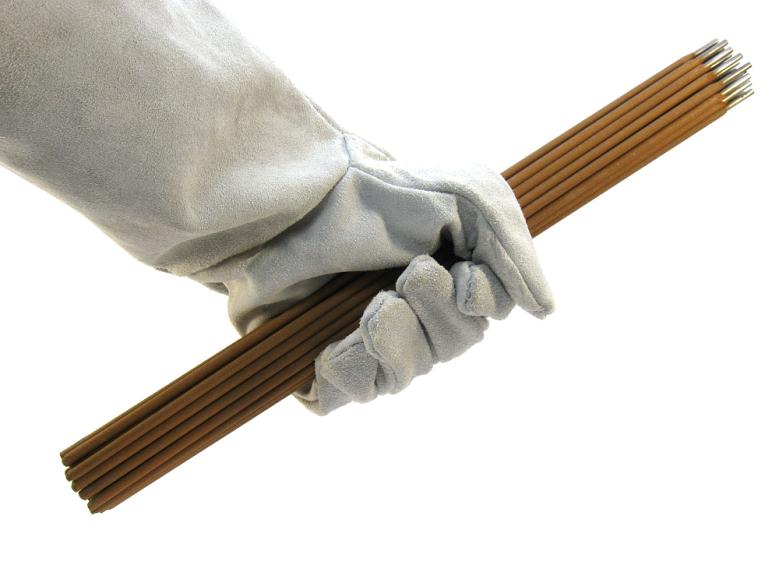
The letters and numbers used to classify electrodes all mean something. Understanding their meaning is important when choosing an electrode for your job. You also must be knowledgeable about these classifications to become an AWS CWI.

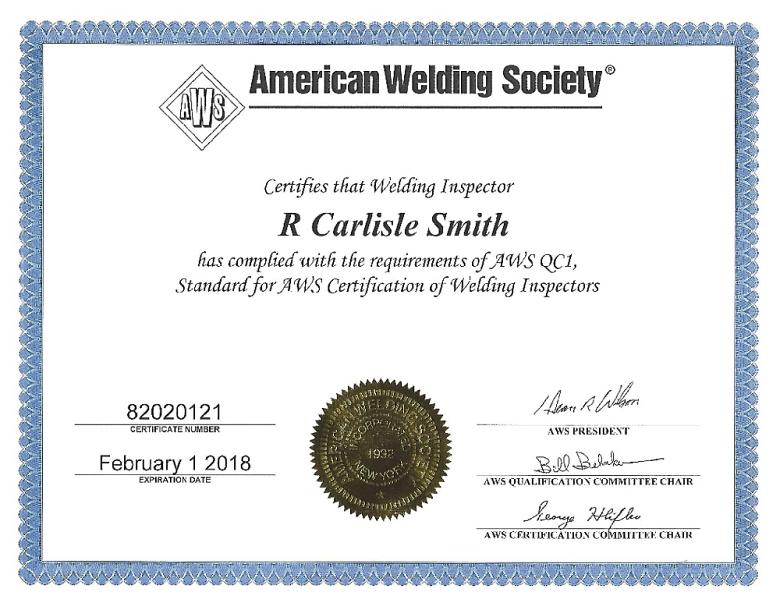
Becoming an AWS certified welding inspector is a challenging task that takes serious preparation and study. Shortcuts don’t cut it.
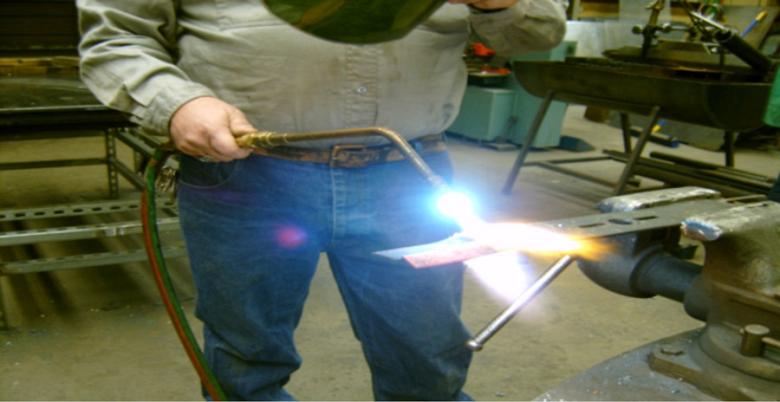
The oxyacetylene welding (OAW) process continues to be useful in equipment repair, both in industry and the home. This article focuses on specific uses and provides some how-to instructions.
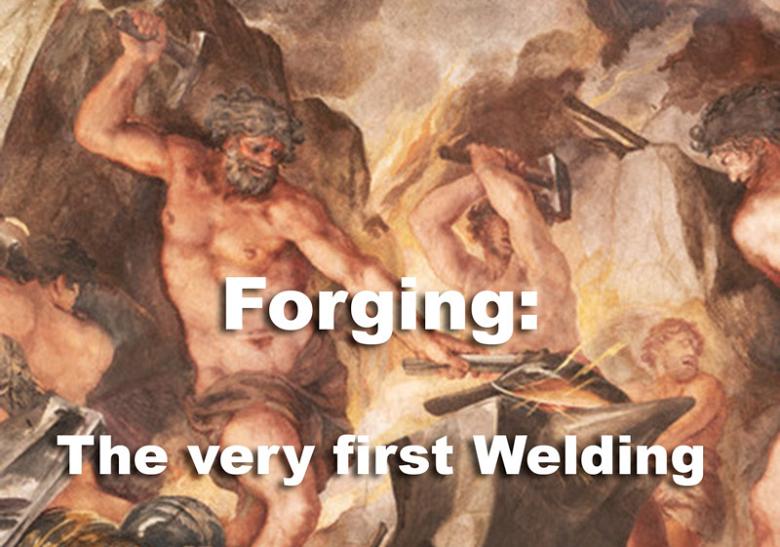
Oxyacetylene welding and brazing are among the first processes beginning welding students learn. This article focuses on the uses and techniques that may be unfamiliar to much of the welding community.
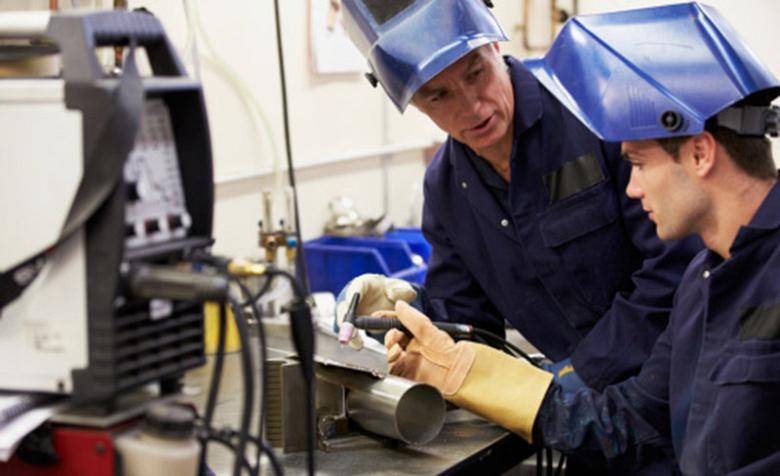
Although welder training has advanced over the years, the fundamentals remain essentially the same. What should beginning welders be taught first?
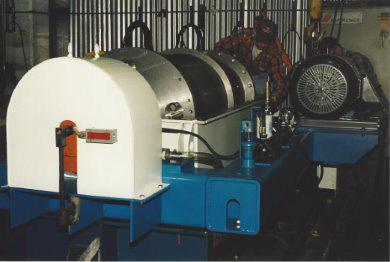
Some metal fabricating operations produce the same product day in and day out with little variation. Real job shops, which are becoming rarer, have a much tougher row to hoe, one that requires constant innovation and high skill levels.
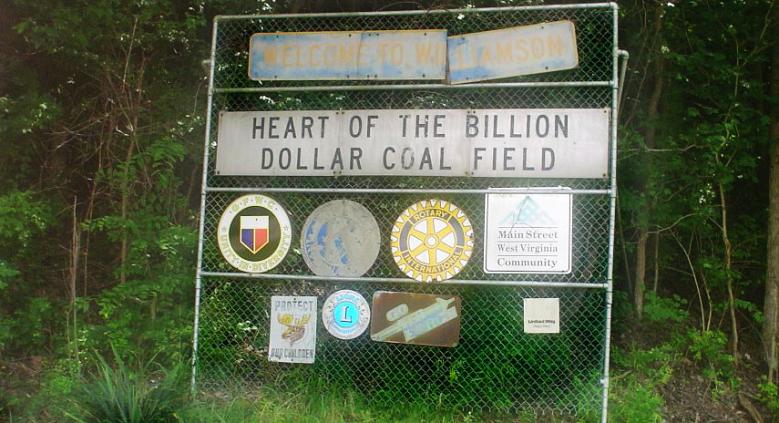
Coal mining has long been an important industry in some areas of the U.S. As coal mining has fallen out of favor with environmental groups, the EPA, and the administration, these areas have had to adapt to remain viable and provide jobs.

West Virginia has launched an educational initiative designed to help welding instructors better prepare students for the workplace. Welder and educator Carlisle Smith explains the program, which is showing promising results.
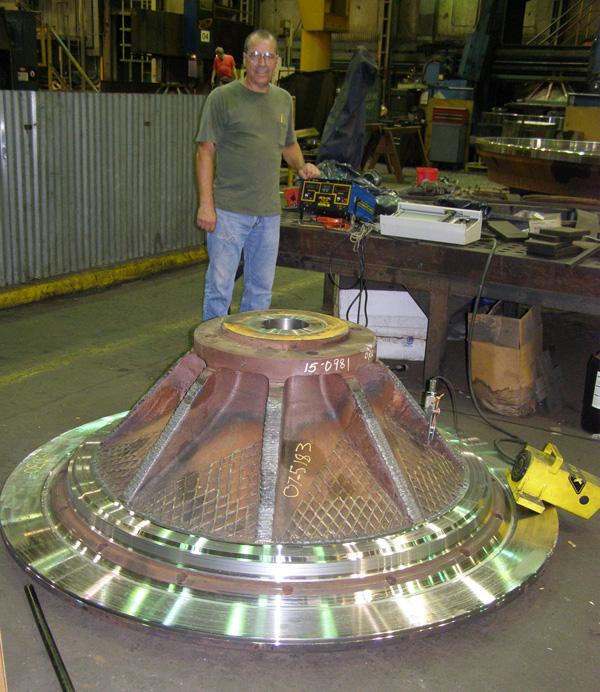
Quality assurance is a critical aspect of fabricating. It requires input from various departments, careful inspection throughout all facets of the job, and detailed recordkeeping. Here’s a blueprint for optimum QA.
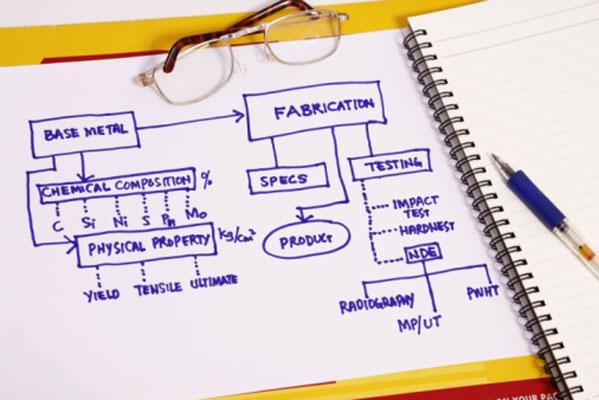
Technician, technologist—just semantics, or is there a marked difference between the two? In welding, there is a definite difference.
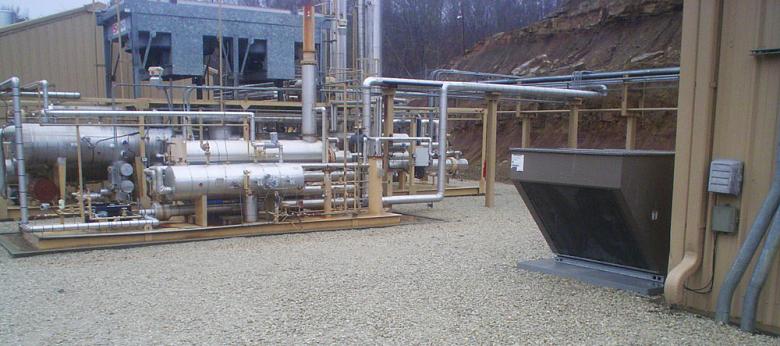
Codes and standards are important and necessary. Which apply to the work your shop does? That depends on the nature of the work.
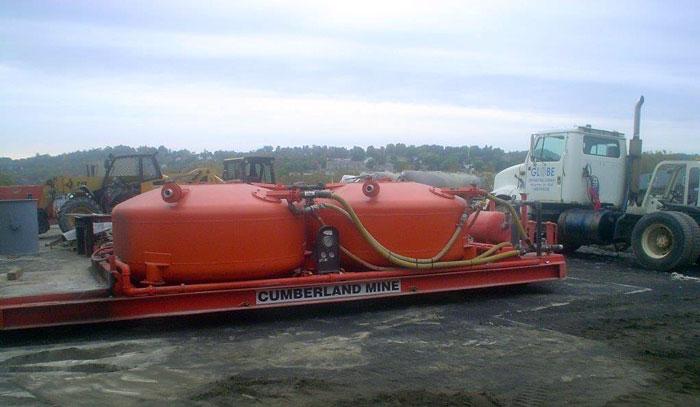
Different shops have different ways of coping with and surviving business downturns. Some downsize, while others take advantage of opportunities and invest in people and equipment. Upsizing paid off for Wilson Works, Morgantown, W.V.
In this episode of The Fabricator Podcast, Caleb Chamberlain, co-founder and CEO of OSH Cut, discusses his company’s...