




CEng


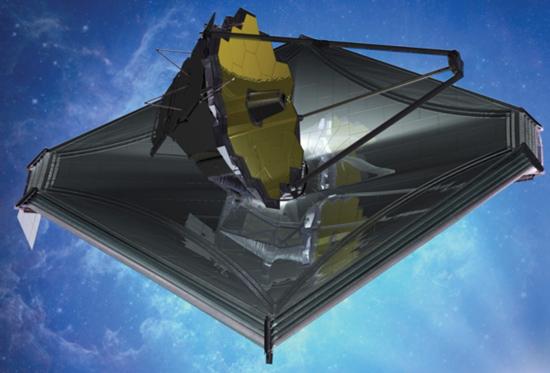
4943 alloy is the first aluminum filler metal developed in the U.S., designed for use in wrought commercial applications, and registered with the Aluminum Association in over 50 years. It was designed primarily to provide a consistently high-strength alternative to filler metal 4043 while maintaining various advantages of 4043. The most interesting and comprehensive series of third-party tests were conducted by NASA at the Goddard Space Flight Center for the James Webb Space Telescope project.
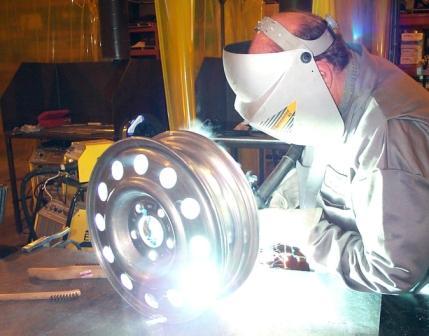
Learn how welding aluminum involves selecting the right filler alloy and how it differs from filler alloys for welding steel. Our guide to welding aluminum is here.
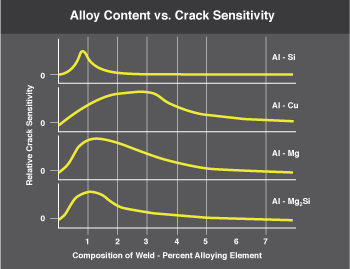
Choosing the best filler metal for aluminum welding involves takinginto account the operating conditions of the finished weldedcomponent as well as six important variables that can affect theoperating condition.
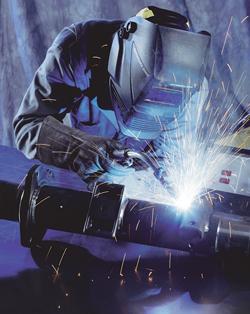
To ensure quality welds, it is important to have a quality weld inspection program in place. In order to do so, a company must understand how to evaluate weld characteristics, determine weld quality, and have a welding inspector capable of performing a number of different testing methods.

A welder's primary concern in any kind of work is ensuring his weld is sound. For this reason, it's important for an inspector examining the weld to be able to spot a variety of weld discontinuities, including:Porosity.Incomplete fusion.Incomplete joint penetration.Unacceptable weld...
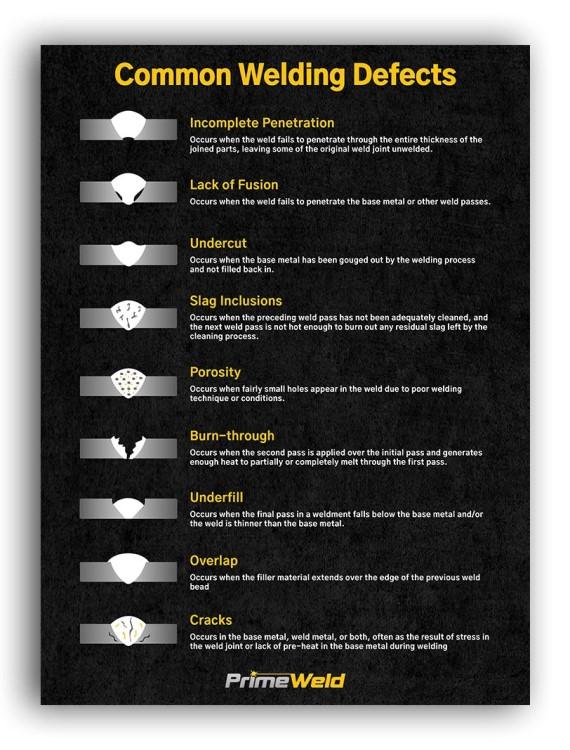
Welding codes and standards exist for a reason. They provide a framework for welders and shop managers to keep quality a top priority in their work.
This article outlines the differences in radiographic and ultrasonic weld inspection, the two most common methods if nondestructive testing. It gives an overview of both methods, including how they are used.
Many aspects of welded component design and fabrication are governed by documents known as codes and standards.
This article outlines the differences in radiographic and ultrasonic weld inspection, the two most common methods if nondestructive testing. It gives an overview of both methods, including how they are used.
In this episode of The Fabricator Podcast, Caleb Chamberlain, co-founder and CEO of OSH Cut, discusses his company’s...