






GTAW electrode selection and preparation
A few minutes getting ready can prevent hours of troubleshooting, rework
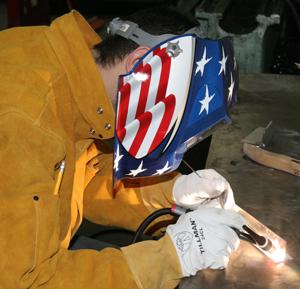
It wasn’t that long ago that some electrode types used in gas tungsten arc welding (GTAW) were quite a bit more expensive than others. Many fabrication shops skipped the expensive electrodes and used just two, pure tungsten and thoriated tungsten, according to Joshua Sprinkle, regional sales manager for Weldcraft.
Pure tungsten electrodes, which are 99.50 percent tungsten, were used for welding aluminum; 2 percent thoriated tungsten electrodes, which contain 97.30 percent tungsten and 1.70 to 2.20 percent thorium, were used for everything else.
Much has changed over the years.
“The prices are now much more consistent from one electrode type to the next,” Sprinkle said. “Welding technology has changed; manufacturers have introduced inverter-based power supplies, which are a breed apart from transformer-rectifier power supplies. Finally, welders have new alloys to work with,” he said.
For all of these reasons, welders can optimize the welding process by selecting and preparing the right electrode for their application.
Electrode Types
The six electrode types are pure tungsten and five alloys.
- Pure tungsten (EWP, color-coded green), 99.50 percent tungsten. This electrode is good for AC welding with traditional transformer-rectifier power sources. It is favored for aluminum and magnesium because it holds a consistent ball on the end even with the heat of AC. It has a little less than half a percent of additional elements and compounds, which helps minimize weld
contamination.
- 2 percent thoriated (EWTh-2, color-coded red), 97.30 percent tungsten, 1.70 to 2.20 percent thorium. Thorium increases the current capacity of the electrode, making it easy to sharpen this electrode to a point to gain better arc starts and a more stable arc. It also reduces electrode consumption, meaning that there is less chance electrode material will contaminate the weld
puddle. It is good for DC electrode-negative-polarity welding on carbon steel, stainless steel, nickel, and titanium.
- 2 percent ceriated (EWCe-2, color-coded orange), 97.30 tungsten, 1.80 to 2.20 percent cerium. This type is favored for DCEN welding during which it maintains a sharp point. It also operates well for welding with an AC inverter machine and creates a small, concentric, stable ball at the end. It runs at 1.5 to 2 times the amperage of pure tungsten in AC.
- 1.5 percent lanthanated (EWLa-1.5, color-coded gold), 97.80 tungsten, 1.30 to 1.70 percent lanthanum. This type has many of the characteristics of ceriated electrodes, and it can carry much more current than a pure tungsten electrode of the same diameter. Good low-current DC arc starts make it suitable for thin material and delicate parts.
- Zirconiated (EWZr-1, color-coded brown), 99.10 percent tungsten, 0.15 to 0.40 percent zirconium. This electrode has an extremely stable AC arc, holds a ball end well, and resists tungsten spitting (which contaminates the weld). Current-carrying capacity is at least as great as that of thoriated tungsten. It is not suitable for DC.
- Rare earth (EWG, color-coded gray) contain additives of rare-earth oxides or combinations of oxides. The additives determine the characteristics, such as stable arc in AC and DC applications, longevity, or higher current-carrying capacity. It is ideal for machine torch applications.
Making the right choice is more than just a good idea, and it’s more than optimizing the welding process. Making the wrong choice can lead to all sorts of trouble, and trouble leads to troubleshooting.
Choosing and Preparing the Electrode
Making the wrong electrode choice can lead to an inconsistent weld.
“Proper selection means better consistency,” Sprinkle said. Otherwise, the welder risks a hot start, which means it takes more energy to light the electrode and stabilize the arc. “If the weld has a hot start, it can damage the material by causing burn-through and lead to inconsistency throughout the weld.” Sprinkle cited a typical scenario, a low-amperage DC GTAW with an arc start at 10 amps. Using a conventional electrode would result in a hot start. Lanthanated is the best choice in this situation, he said.
“A welder working on everyday materials might not notice the problem with the hot start, but someone joining materials for an aerospace application would notice,” he said, referring to titanium and INCONEL® alloy, materials so expensive that they are priced and sold by the pound rather than the ton.
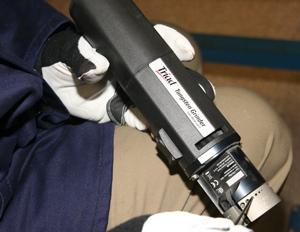
Figure 1: A tungsten grinder provides set grinding angles and can accommodate several diameters of tungsten electrodes—both factors that ensure consistent preparation and performance.
“You don’t want to scrap a $40,000 part because you chose the wrong electrode,” he said.
The power supply also is another critical factor.
“The two types are transformer-rectifier and inverter,” he said. “The inverter type is a high-tech piece of equipment. Fundamental differences mean that they deliver current in different ways.
“Pure tungsten is a bad match for an inverter-based power supply because it has a tendency to ball up,” Sprinkle said. “Unfortunately, arc starting with a balled electrode takes a lot of energy and requires special adjustments—if you can even start it at all. Instead, inverters are optimized to start with a tapered electrode. Ceriated and lanthanated are the two better options because they hold a taper and resist the formation of a large ball in AC welding.”
Weld contamination is another critical area. Pure tungsten is often favored for AC inverter welding because it creates a consistent ball, lessening the chance of impurities melting and contaminating a weld. Conversely, thoriated tungsten should be avoided because it tends to form nodules around the electrode that can melt, contaminating welds. Cerium or lanthanum are better choices for this type of welding, Sprinkle said.
After working out the right electrode type, the next step is tungsten preparation.
“Tungsten diameter and the arc size you want determine the proper grinding angle,” Sprinkle said. Manually grinding the electrode on a common bench grinder doesn’t yield good results, he noted. “Nobody can hold the electrode at the right angle consistently.”
Another problem with manual grinding is grinding in the wrong direction. The grinding action must run parallel to the length of the electrode; grinding perpendicular to its length is a big problem.
“It can lead to striations or grooves around the circumference, and the arc can follow these striations,” Sprinkle said, “causing the arc to wander and leading to an inconsistent arc or increasing the chances of the tip melting off into the weld puddle.”
A tungsten grinder is a necessary tool (see Figure 1).
Amping up Productivity
Choosing the right electrode and preparing it correctly aren’t just bits of advice, they’re the keys to productive welding. A welder who spends his time making bad welds and troubleshooting them is not spending his time productively, especially since it doesn’t take much more than a few minutes to find the right electrode and determine the best grinding angle.
“Many problems can be avoided when the tungsten is properly matched to the power source and it is prepared correctly,” Sprinkle said.
About the Author

About the Publication


subscribe now
The Tube and Pipe Journal became the first magazine dedicated to serving the metal tube and pipe industry in 1990. Today, it remains the only North American publication devoted to this industry, and it has become the most trusted source of information for tube and pipe professionals.
start your free subscription- Stay connected from anywhere
Easily access valuable industry resources now with full access to the digital edition of The Fabricator.

Easily access valuable industry resources now with full access to the digital edition of The Welder.
Easily access valuable industry resources now with full access to the digital edition of The Tube and Pipe Journal.
Easily access valuable industry resources now with full access to the digital edition of The Fabricator en Español.
- Podcasting

In this episode of The Fabricator Podcast, Caleb Chamberlain, co-founder and CEO of OSH Cut, discusses his company’s...
- Trending Articles
1
Zekelman Industries to invest $120 million in Arkansas expansion
2
3D laser tube cutting system available in 3, 4, or 5 kW
3
Corrosion-inhibiting coating can be peeled off after use
4
Brushless copper tubing cutter adjusts to ODs up to 2-1/8 in.
5
HGG Profiling Equipment names area sales manager